
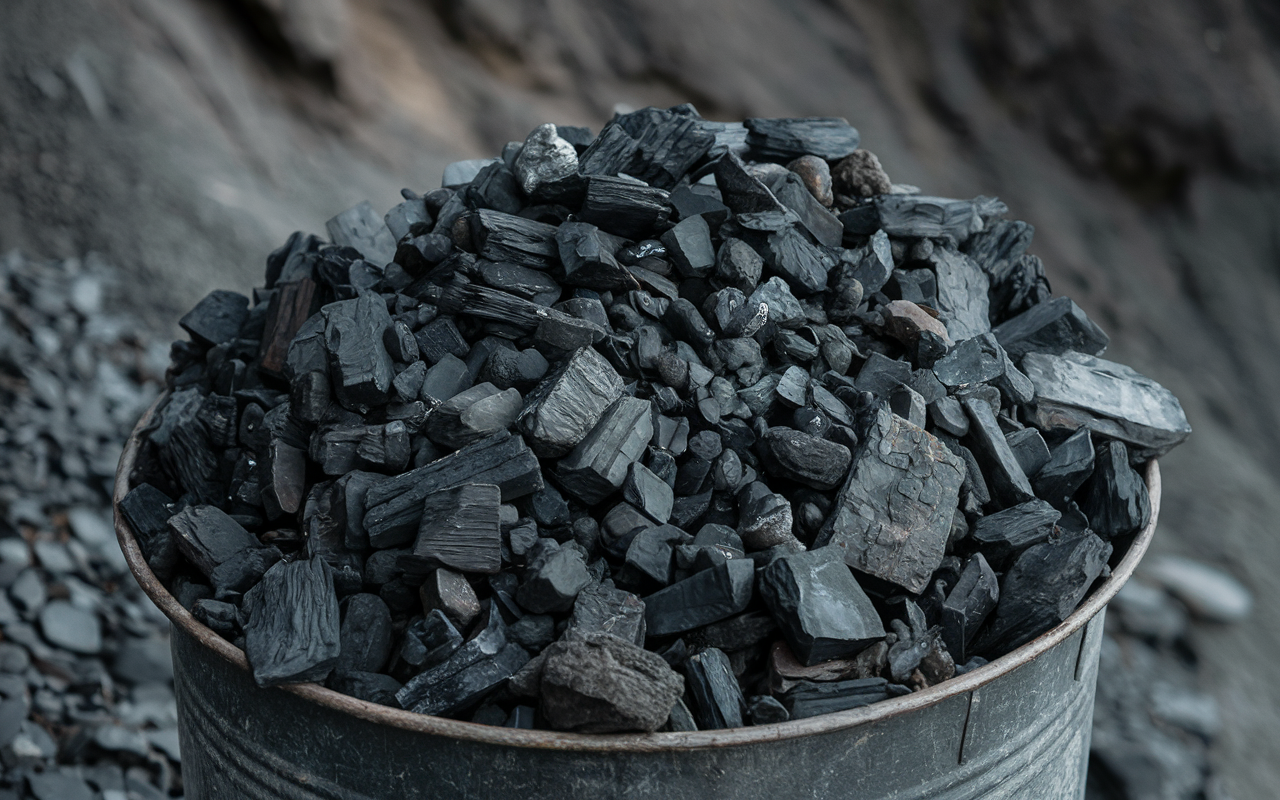
Coal power is shrinking in some regions and still growing in others. Europe and North America are closing coal plants, while China, India and parts of Southeast Asia continue to rely on coal for a large share of their electricity. Globally, coal demand remains close to record levels: about 8.84 billion tonnes in 2025 and an expected 8.94 billion tonnes in 2026, according to the IEA.
The long-term direction is downward as renewables grow, but the pace differs sharply by country.

Five trends shaping coal power
1. Asia drives demand
China uses more than half of the world’s coal, and India’s use is rising with electricity demand. Southeast Asian countries such as Indonesia, Vietnam and the Philippines also depend heavily on coal plants. These markets decide the future of coal more than any others.
2. Renewables are taking the growth
Solar and wind are now the fastest-growing sources of new electricity in many countries. In some markets they already meet most new demand, which limits coal’s growth even where existing plants keep running.
3. Gas prices still matter
When gas is expensive, power companies use more coal. In September 2026, European gas reached $25.42 per MMBtu, more than double the 2025 average of $11.96, according to the World Bank. That kind of price spike supports coal demand in the short term.
4. Coal plants are changing roles
In many grids, coal plants run fewer hours and act more as backup for times when wind and solar output is low. That makes flexibility, ramping and efficient part-load operation more important.
5. Cleaner operation
Newer plants use supercritical and ultra-supercritical technology for higher efficiency, with filters, scrubbers and NOx controls. Some are testing co-firing with biomass or ammonia, and a few are developing carbon capture. See cleaner coal technologies.
Coal supply in 2026
- Indonesia’s exports are expected to fall to about 495 Mt in 2026, from 517 Mt in 2025, according to the IEA.
- Australia’s thermal exports are forecast to rise slightly, to about 216 Mt.
- Colombia’s Cerrejón mine declared force majeure on 1 June 2026.
- Seaborne thermal coal demand is projected to ease to about 1,062 Mt.
See coal in the global energy market.
What it means for power plant operators
- Secure supply with term contracts and a second origin, as exporters cut volumes.
- Buy coal suited to flexible operation: stable quality helps when plants ramp up and down.
- Improve efficiency to cut fuel costs and emissions. See improving efficiency in coal-fired power plants.
- Prepare for tighter emission rules by choosing lower-sulphur, lower-ash coal. See low-sulphur coal.
Buying coal for power plants through Agromer
Agromer holds mandates for Indonesian thermal coal for power plants and industrial buyers. We work with an end-buyer LOI, payment by 100% DLC or SBLC, and SGS inspection at loading. Send us your specification, monthly quantity, contract length and discharge port. See coal suppliers for power plants.
Frequently asked questions
Is coal power declining?
In Europe and North America, yes. In parts of Asia it is still growing, so global coal use remains near record levels.
Which countries still build coal power plants?
Mainly China and India, along with some countries in Southeast Asia.
How do gas prices affect coal power?
Expensive gas makes coal-fired power more competitive, so coal use rises when gas prices spike.
Will renewables replace coal?
Over time, renewables are expected to take a growing share, but the speed varies by country and depends on grids, storage and demand growth.
What is the global coal demand forecast for 2026?
About 8.94 billion tonnes, according to the IEA, up from about 8.84 billion tonnes in 2025.
How can coal plants reduce emissions?
By improving efficiency, using lower-sulphur coal, installing pollution controls and, in some cases, co-firing biomass.