Anthracite is the highest-quality coal. It has the most carbon, the least moisture and burns the cleanest. But “best” depends on the job. Most power plants burn bituminous or sub-bituminous thermal coal, because it is plentiful, cheaper and right for their boilers. Anthracite is mainly used for heating, metallurgy and specialist uses.
If you are buying coal for a business, the right question is not “which coal is best?” but “which coal is best for my boiler, my process and my budget?” This guide compares the four main types and explains how buyers choose.
The 4 types of coal at a glance
Coal is ranked by how much carbon it holds and how much heat it gives. From lowest to highest rank:
| Type | Carbon content | Moisture | Heat value | Main uses |
|---|---|---|---|---|
| Lignite (brown coal) | 25 to 35% | Very high | Lowest | Power plants next to the mine |
| Sub-bituminous | 35 to 45% | High | Medium | Power generation, industrial boilers |
| Bituminous | 45 to 86% | Low | High | Power generation, steelmaking (coking coal), industry |
| Anthracite (hard coal) | 86 to 97% | Lowest | Highest | Heating, metallurgy, filtration, specialist uses |
Lignite

Lignite, or brown coal, is the lowest rank. It holds only 25 to 35% carbon and a lot of water, so it gives the least heat per tonne. Because it is heavy and low in energy, it is rarely shipped far. Most lignite is burned in power plants built right next to the mine.
Sub-bituminous coal

Sub-bituminous coal has 35 to 45% carbon. It is dull black and still fairly moist, but it gives clearly more heat than lignite. It is a major fuel for power plants. Much of the coal Indonesia exports is in this range: moderate heat value, but low in sulphur and ash, which many boiler operators value.
Bituminous coal
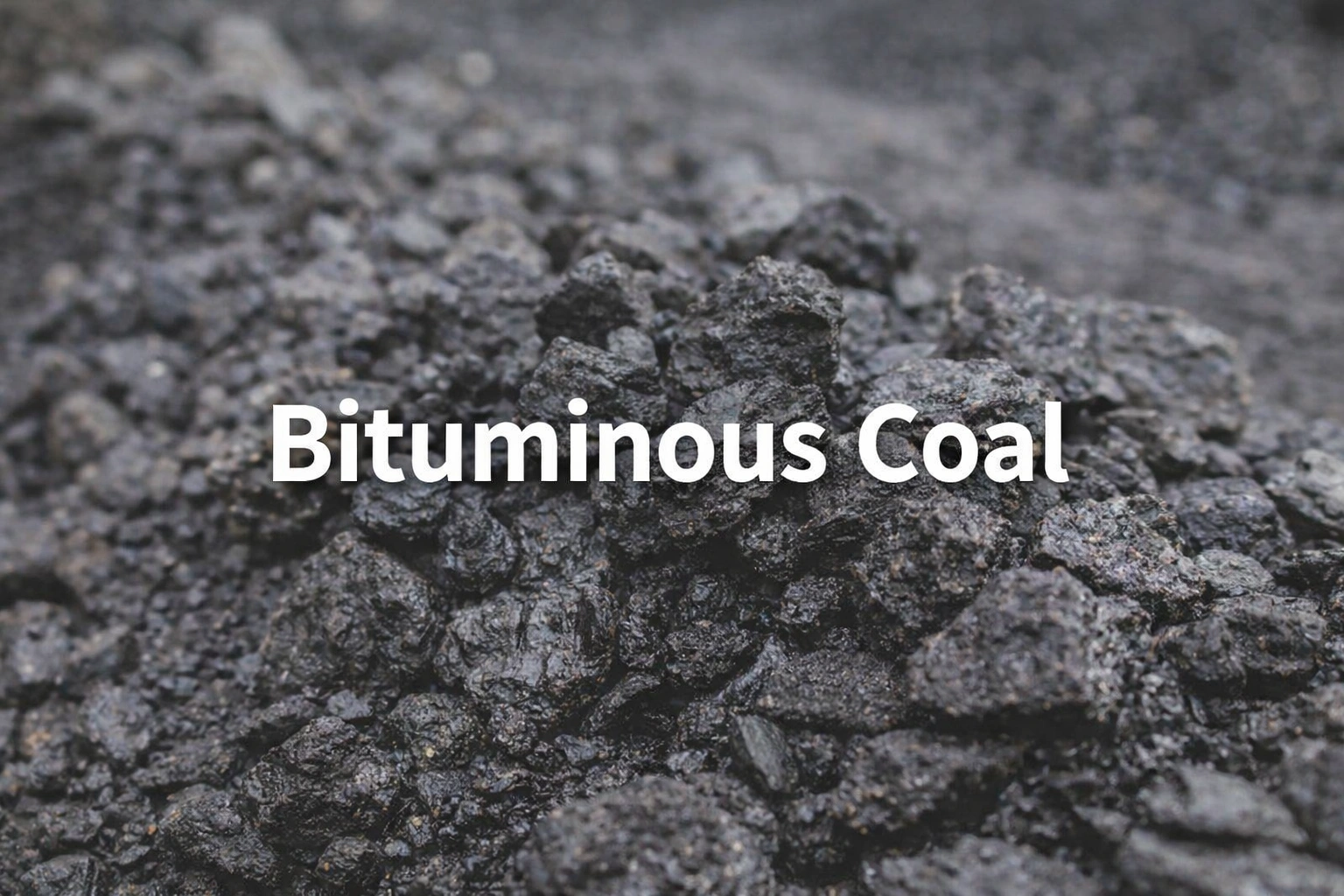
Bituminous coal covers a wide range, from 45 to 86% carbon. It often looks shiny with visible layers. It comes in two main kinds:
- Thermal (steam) coal for power plants and industrial boilers
- Metallurgical (coking) coal for making coke and steel
It gives high heat and is the backbone of seaborne coal trade from countries such as Australia, Colombia, South Africa and Russia. Read more in anthracite vs bituminous coal.
Anthracite

Anthracite is the top rank: hard, black, shiny and 86 to 97% carbon. It burns hot with little smoke. It is relatively rare and costs more, so it is mostly used where its qualities matter: home and commercial heating, some metallurgical processes and water filtration.
So which coal is best?
It depends on what you need the coal to do:
- Power plants: bituminous or sub-bituminous thermal coal that matches the boiler’s design, especially its calorific value, ash, sulphur and moisture limits.
- Steelmaking: bituminous coking coal. See the importance of coal in steel production.
- Heating and specialist uses: anthracite.
Buying a “better” coal than your boiler was designed for does not always help. A plant built for sub-bituminous coal may run worse, and cost more, on high-energy coal.

What to check before buying coal
- Specification: calorific value (and whether it is GAR or NAR), total moisture, ash, sulphur and volatile matter.
- Your equipment: the coal must suit your boiler or process.
- Price basis: compare offers on the same delivery terms and calorific basis. See the price of Indonesian coal.
- Supplier checks: confirm who you are dealing with and insist on independent inspection at loading. Our guide on how to assess coal quality before purchase covers the steps.
- Local rules: emissions limits may restrict sulphur or other parameters.
Indonesian thermal coal from Agromer
Agromer holds mandates from accredited suppliers for Indonesian thermal coal for power plants and industrial users. Indonesian coal is mostly sub-bituminous, with low sulphur and ash, and is shipped from Kalimantan and Sumatra in a range of calorific grades. Offers are issued against an end-buyer Letter of Intent with your specification, quantity and discharge port. Learn more about Indonesian coal and coal mining companies in Indonesia.
Frequently asked questions
Which is the best quality coal?
Anthracite has the highest rank: the most carbon, the least moisture and the cleanest burn. For power plants, though, the best coal is the thermal coal that matches the boiler’s design.
How many types of coal are there?
Four main types: lignite, sub-bituminous, bituminous and anthracite, ranked from lowest to highest carbon content.
Which type of coal is used to generate electricity?
Mostly bituminous and sub-bituminous thermal coal. Lignite is also burned in power plants located next to lignite mines.
Which coal is used to make steel?
Bituminous metallurgical (coking) coal, which is turned into coke for blast furnaces.
Is Indonesian coal anthracite?
No. Indonesia exports mainly sub-bituminous thermal coal, valued for its low sulphur and low ash content.
What should I check when buying coal in bulk?
The full specification (calorific value, moisture, ash, sulphur), suitability for your equipment, the price basis, independent inspection and local emission rules.