
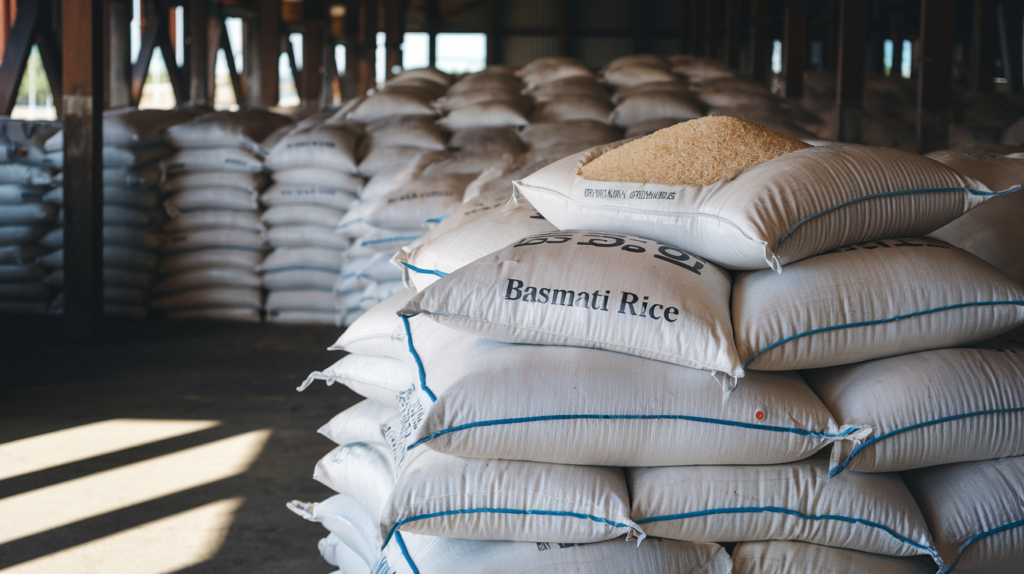
Basmati is a long-grain aromatic rice from the Indian subcontinent, prized for its fragrance and for grains that grow long and stay separate when cooked. Agromer trades Indian-origin basmati rice for importers, wholesalers and food businesses. Each offer is confirmed against your variety, processing type, packaging and destination.
This page explains the main varieties and types, what to put in your specification, and the documents involved.

Main basmati varieties
| Variety | What it is known for |
|---|---|
| 1121 basmati | Extra-long grain and strong elongation on cooking. The most widely traded variety |
| 1509 basmati | Long grain, shorter growing season, often priced below 1121 |
| 1401 basmati | Long, slender grain with good aroma |
| Pusa basmati | Popular long-grain variety with good cooking quality |
| Traditional basmati | Older varieties with strong natural aroma, usually higher priced |
White, steam or sella?
- White (raw) basmati is milled and polished. It has the strongest aroma.
- Steam basmati is steamed before milling. Grains are firmer and break less during cooking.
- Golden sella and white sella are parboiled: soaked, steamed and dried before milling. They are very robust in cooking and popular with catering and Middle Eastern buyers.
What to put in your specification
| Parameter | Why it matters |
|---|---|
| Variety and type | 1121, 1509 and so on; white, steam or sella |
| Average grain length | Longer grains command higher prices |
| Broken grains | Often 1% to 2% maximum for premium grades |
| Moisture | Usually 12% to 13% maximum |
| Purity | Share of the stated variety, with limits on admixture of other rice |
| Damaged, discoloured and chalky grains | Affects appearance and price |
| Crop year and ageing | Aged rice cooks fluffier and is often preferred |
| Pesticide residues | Must meet the limits of the destination market |
In India, the food regulator FSSAI sets identity standards for basmati, including an average milled grain length of more than 6.61 mm before cooking and an elongation ratio of more than 1.7 on cooking. Buyers for the EU should pay particular attention to pesticide residue limits, which are stricter than in many other markets.
What affects the price
- Variety, type and grain length
- Crop size and the new-crop season
- Broken percentage and ageing
- Packaging and branding
- Freight and destination
Basmati is priced well above ordinary long-grain rice. We quote each enquiry against the current market.
Export documents
A basmati shipment from India normally comes with:
- Commercial invoice and packing list
- Bill of lading
- Certificate of origin
- Phytosanitary certificate
- Fumigation certificate
- Quality and weight certificate from an independent inspector, such as SGS
As the importer, you will usually need your own import registration, any food import permits your country requires, and customs clearance. Check the rules in your market before shipment.
Packaging
Packaging is agreed per order. Common options include:
- 1 kg, 5 kg and 10 kg retail packs
- 25 kg and 50 kg bags for wholesale
- PP, non-woven or jute bags
Tell us what your market needs.
How buying through Agromer works
Agromer has traded commodities from Saint-Avertin, France, since 1985. For basmati rice:
- Grade, moisture, broken percentage and packaging are written into the contract
- Cargoes are inspected by SGS before loading
- Payment is by 100% DLC or SBLC
To request an offer, send the variety and type, specification, packaging, quantity and destination port. See also our rice supply page and our range of agricultural commodities.
Frequently asked questions
What is basmati rice?
A long-grain aromatic rice from India and Pakistan, known for its fragrance and for long, separate grains after cooking.
Which is the best basmati variety?
1121 is the most popular for its extra-long grain. Traditional basmati has the strongest aroma. The best choice depends on your market and budget.
What is the difference between sella and white basmati?
Sella basmati is parboiled before milling, which makes the grains firmer and less likely to break. White basmati is milled raw and has a stronger aroma.
What documents come with a basmati shipment?
Usually a commercial invoice, packing list, bill of lading, certificate of origin, phytosanitary and fumigation certificates, and an inspection certificate.
How long does basmati rice keep?
Stored cool and dry in sealed bags, milled basmati usually keeps well for one to two years.
Why is aged basmati preferred?
Ageing reduces moisture, so the rice cooks fluffier and elongates better, which many buyers prefer.