
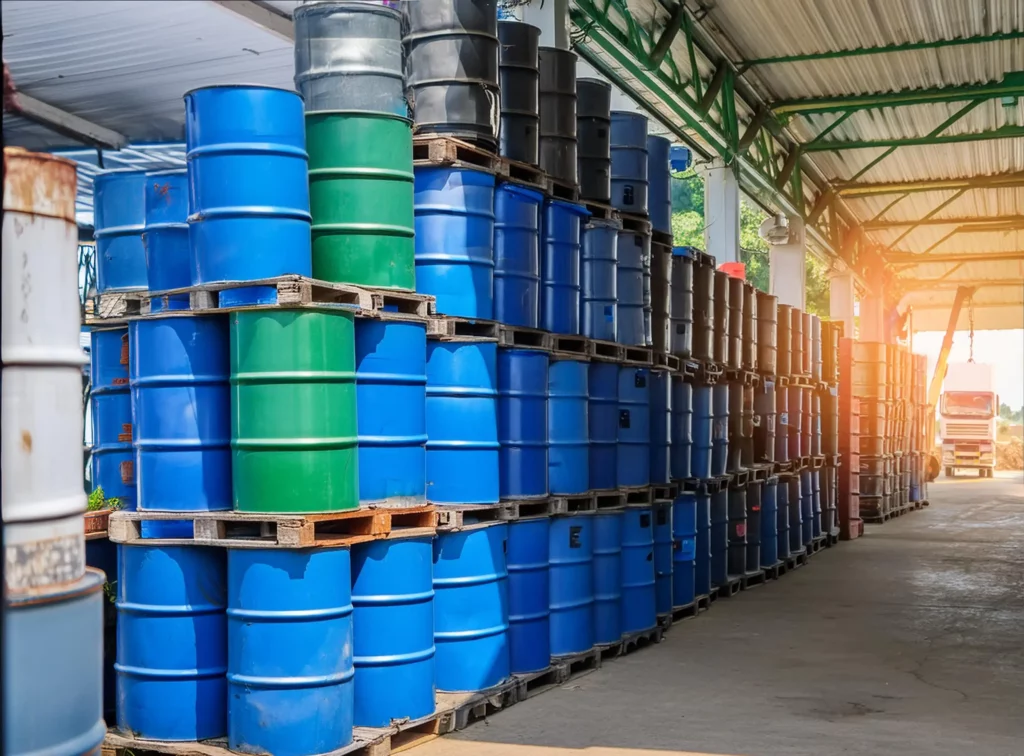
EN590 diesel is road diesel that meets the European standard EN 590, with no more than 10 ppm (mg/kg) of sulphur. It is often called ultra-low sulphur diesel (ULSD). The standard is used across the EU and adopted by many other countries, because modern diesel engines and their exhaust treatment systems need this clean, consistent fuel.
For buyers, EN590 is a specification first and a product second. If the certificate of quality does not show every parameter within the EN 590 limits, it is not EN590 diesel, whatever the offer says. This guide covers the key limits, how prices are set and how genuine bulk deals work.
Key EN 590 specification limits
| Property | Limit |
|---|---|
| Sulphur | 10 mg/kg maximum |
| Cetane number | 51 minimum |
| Cetane index | 46 minimum |
| Density at 15 °C | 820 to 845 kg/m³ |
| Flash point | Above 55 °C |
| Viscosity at 40 °C | 2.0 to 4.5 mm²/s |
| FAME (biodiesel) content | 7% by volume maximum |
| Polycyclic aromatics | 8% by mass maximum |
| Water | 200 mg/kg maximum |
| Lubricity (HFRR at 60 °C) | 460 µm maximum |

Summer and winter grades
EN 590 sets cold-flow classes so diesel does not gel in cold weather. In temperate climates, grades A to F are defined by the cold filter plugging point (CFPP), from +5 °C for grade A down to −20 °C for grade F. Separate arctic classes cover colder regions. Buyers specify the grade that suits their destination and season.
Why the 10 ppm sulphur limit matters
Low sulphur means lower sulphur dioxide and particle emissions. More importantly for modern vehicles, it protects exhaust after-treatment such as diesel particulate filters and SCR systems, which sulphur would damage. That is why EN590 10 ppm is required for road vehicles in Europe and many other markets.
How EN590 diesel is priced
Bulk EN590 is usually priced against published assessments, most often Platts for 10 ppm diesel cargoes or barges FOB ARA (Amsterdam, Rotterdam, Antwerp), or ICE low sulphur gasoil futures, plus or minus a premium for location, timing and terms.
Diesel prices follow crude oil and refining margins. In September 2026 Brent crude averaged $116.80 per barrel according to the World Bank, far above its 2025 average of $69, so diesel costs rose sharply this year. Always compare offers on the same price basis, delivery point and quantity.
Who buys EN590 diesel
- Fuel distributors and retail station networks
- Transport and logistics fleets
- Construction and mining companies running heavy equipment
- Industrial users and power back-up operators

How genuine bulk diesel deals work
Real EN590 cargoes are bought and sold between refiners, traders and large distributors. A typical sequence:
- Enquiry: product, specification, quantity, delivery point and schedule.
- Letter of Intent: an end-buyer LOI is needed before an offer is issued.
- Offer and contract: price basis, inspection and delivery terms are set out in a sales and purchase agreement.
- Payment security: a documentary letter of credit or SBLC from a recognised bank.
- Inspection: an independent inspector, such as SGS, confirms quality and quantity at loading.
The diesel market attracts many fake offers. Be cautious when a deal asks you to pay fees up front, relies on long chains of brokers and paperwork such as “TSR” or “ATSC” instead of bank instruments and inspection, or promises prices well below the market. Our guide on how to verify an international commodity supplier explains the checks.
EN590 through Agromer
Agromer trades refined petroleum products, including EN590 10 ppm diesel and Jet A1, under refinery mandate. Availability and requirements are confirmed for each enquiry. An end-buyer Letter of Intent is required before an offer is issued, and the terms are set in a sales and purchase agreement. See our petroleum products and trade compliance pages.
Frequently asked questions
What is EN590 diesel?
Road diesel that meets the European standard EN 590, including a sulphur limit of 10 ppm (mg/kg). It is also known as ultra-low sulphur diesel.
What does 10 ppm mean?
The fuel contains at most 10 parts per million, or 10 mg per kg, of sulphur.
What is the cetane number of EN590 diesel?
At least 51, with a minimum cetane index of 46.
How is EN590 priced?
Usually against Platts assessments for 10 ppm diesel (for example FOB ARA) or ICE gasoil futures, plus or minus a premium for location and terms.
What is the difference between summer and winter EN590?
They have different cold-flow limits. Grade A has a CFPP of +5 °C for warm conditions, while grade F goes down to −20 °C for winter. Arctic grades go lower still.
How can I avoid fake diesel offers?
Work only with verifiable counterparties, use bank instruments such as letters of credit, insist on independent inspection at loading, and never pay up-front fees.